Avoiding Common Mistakes in Electrical Installations
Electrical installations must be done with precision, proper planning, and full compliance with the Ontario Electrical Safety Code. Unfortunately, many homeowners and inexperienced contractors make avoidable mistakes that can lead to safety hazards, failed inspections, and expensive repairs.
If you’re planning renovations, panel upgrades, EV charger installation, or basement wiring, here are the most common electrical mistakes to avoid.
1. Overloading Electrical Circuits
One of the most common electrical installation mistakes is connecting too many devices to a single circuit.
Modern homes use high-demand appliances such as:
- Induction cooktops
- EV chargers
- Air conditioning systems
- Microwaves and wall ovens
Without proper load calculations, circuits can overheat and trip breakers frequently.
Solution: Always perform a professional load calculation before adding new circuits or appliances.
2. Incorrect Breaker Sizing
Installing the wrong breaker size can be extremely dangerous.
Oversized breakers may not trip during overloads, increasing fire risk. Undersized breakers will trip constantly.
Proper breaker sizing must match:
- Wire gauge
- Circuit load
- Ontario Electrical Safety Code standards
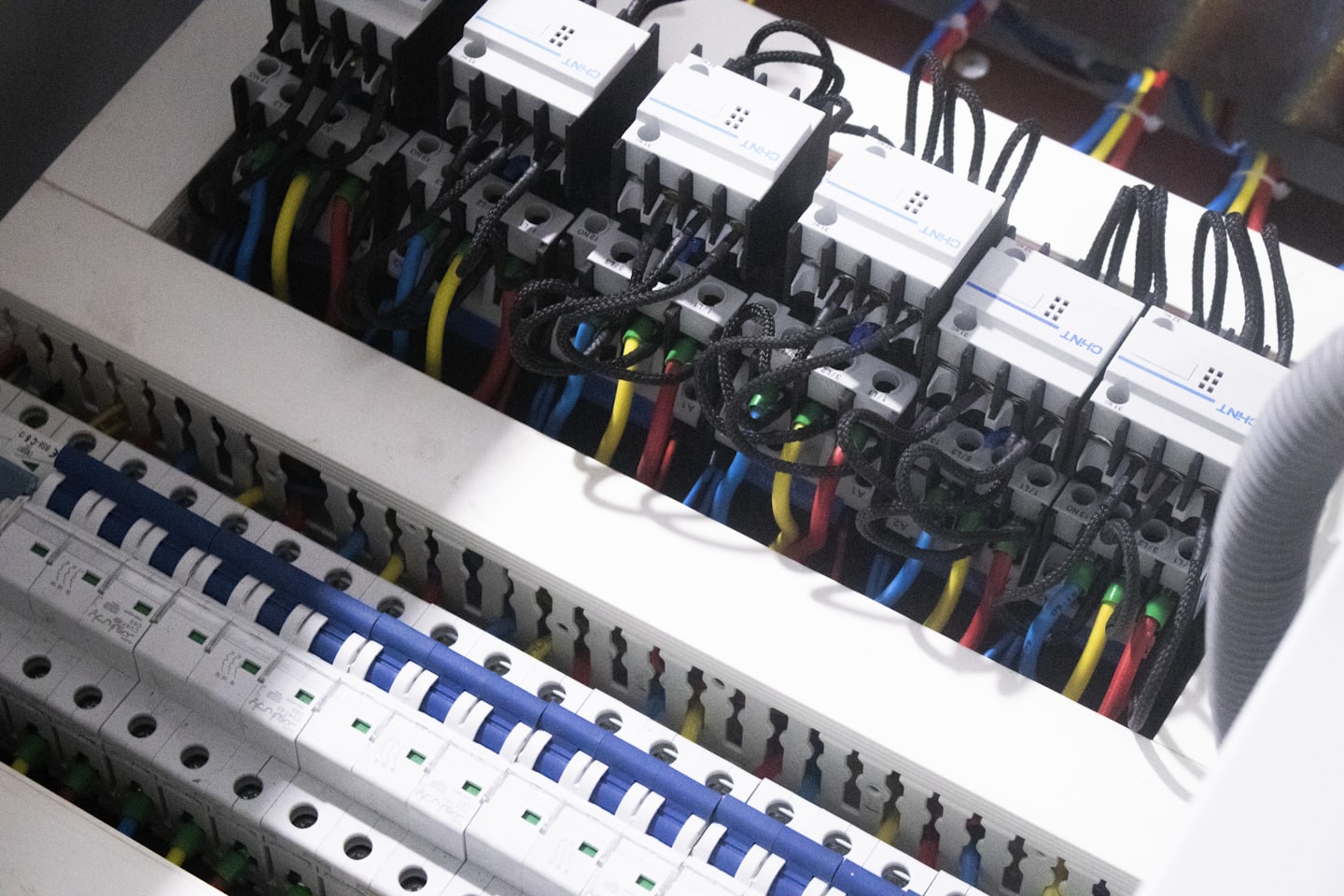
3. Poor Grounding and Bonding
Grounding and bonding protect your home from electrical faults and shock hazards.
Common mistakes include:
- Missing bonding conductors
- Improper grounding connections
- Loose neutral connections
Improper grounding can cause serious safety risks and inspection failures.
4. DIY Electrical Work Without Permits
Many homeowners attempt DIY electrical installations to save money.
However, in Ontario:
- Most electrical work requires ESA notification
- Work must meet Ontario Electrical Safety Code
- Improper work can void home insurance
Unpermitted electrical installations often lead to costly corrections later.
5. Insufficient Panel Capacity
Adding new appliances or EV chargers without evaluating panel capacity is a major mistake.
Homes with 60A or 100A panels may not safely support:
- EV chargers
- Basement apartments
- Heat pumps
- Electric heating
In many cases, a 200 amp panel upgrade is required before expansion.
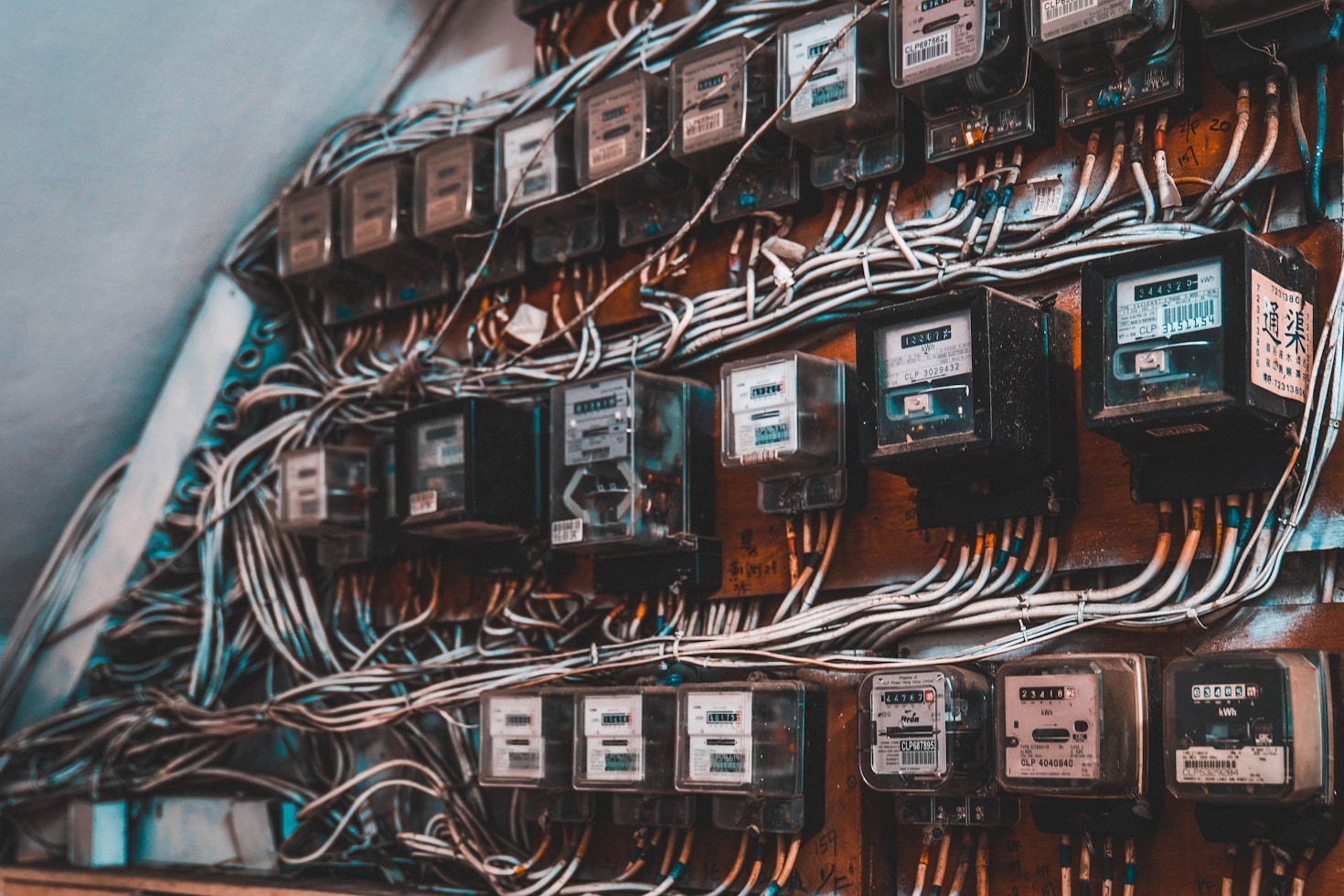
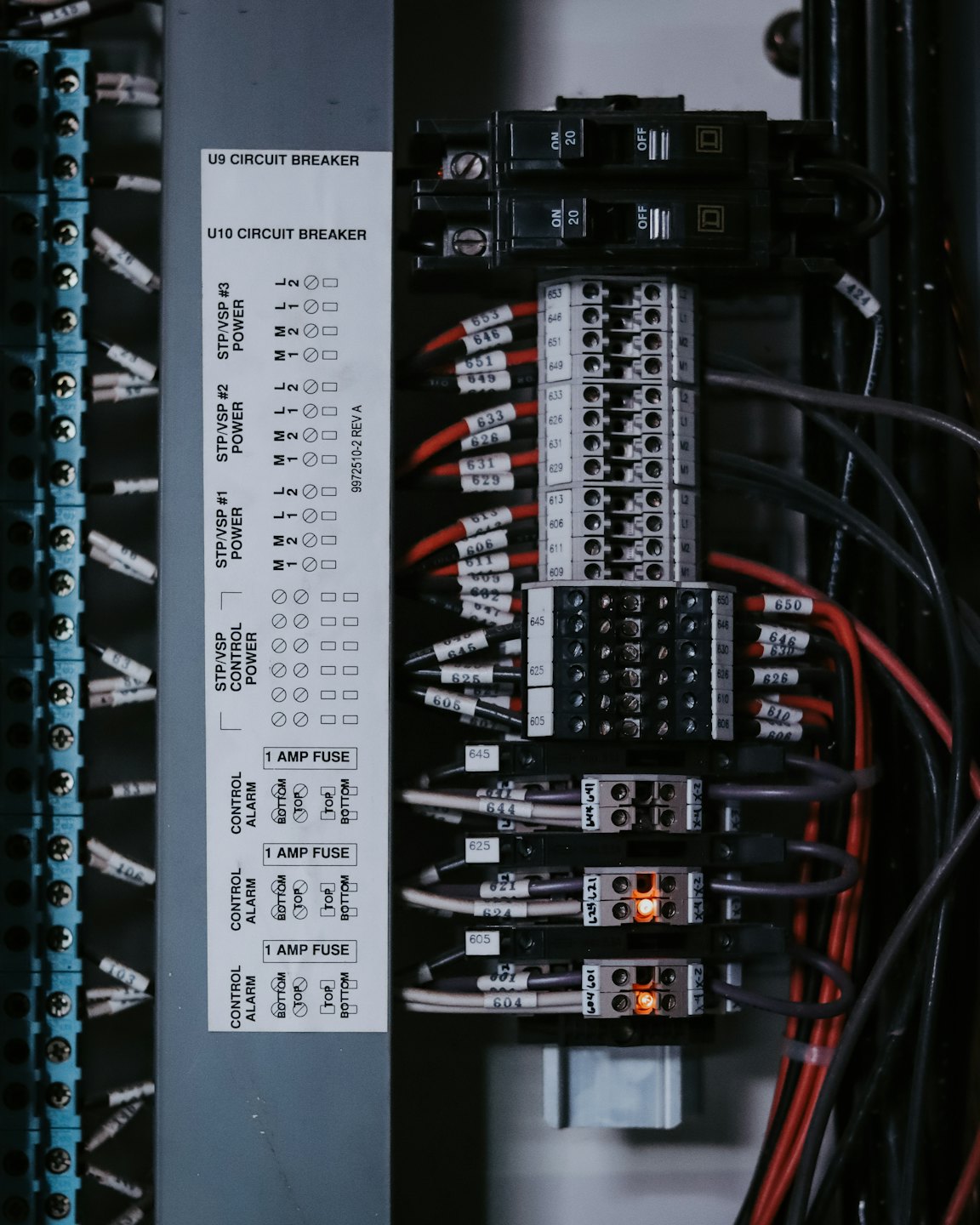
6. Improper Wire Connections
Loose connections are a leading cause of overheating and electrical fires.
Common errors include:
- Backstabbed outlets
- Loose terminal screws
- Improperly torqued panel connections
Professional electricians use proper torque specifications and secure terminations to prevent failures.
7. Incorrect Outlet Placement
Outlets must meet spacing requirements under the Ontario Electrical Safety Code.
Improper placement can:
- Fail inspection
- Create unsafe extension cord usage
- Reduce convenience
Kitchen islands, countertops, and finished basements have specific outlet spacing rules.
Why Hiring a Licensed Ontario Electrician Matters
Electrical systems are not an area to take shortcuts.
Hiring a licensed electrical contractor ensures:
✔ ESA-compliant installations
✔ Proper permits and inspections
✔ Accurate load calculations
✔ Safe breaker sizing
✔ Long-term reliability
At Urban Grid Contractors, we prioritize safety, precision, and full compliance on every project.
Protect Your Home From Costly Electrical Mistakes
Whether you’re upgrading your panel, finishing a basement, or installing an EV charger, avoiding common electrical mistakes protects your investment and your family’s safety.
If you’re unsure whether your electrical system is installed correctly, schedule a professional assessment.
📞 Contact Urban Grid Contractors today for safe, code-compliant electrical services in Ontario.
Electrical Safety Authority (ESA)
Government of Ontario – Electrical Safety Information
Leave a Reply